Where to Find Ethical Stock Photos (Real, Human-Made Sources)

Ethical stock photos come from real human photographers with traceable origin and clear licensing.
If you want a photograph, use a photograph.
If you want an image that represents something that never happened, that is where AI comes in.
But they are not the same thing.
They are not interchangeable.
And they should not be licensed or labeled the same way.
In 2026, finding ethical stock photos is no longer as simple as searching a stock image site and clicking download.
Real photography, AI-generated imagery, synthetic composites, and content from unknown creators are now blended into single searchable libraries with little or no disclosure.
For buyers who care about truth, trust, and transparency, that creates a serious problem.
This guide explains where to find ethical stock photos, what “ethical” actually means in an AI-generated world, and how to source real, human-made photography with traceable origin and clear licensing.
What Are Ethical Stock Photos?
Ethical stock photos are real photographs created by a real human photographer, licensed with clear usage rights, and sourced from a known, traceable origin.
They are not:
• AI-generated
• synthetic composites
• ambiguous visuals
• content from unknown creators
• mislabeled imagery
Ethical stock photos must meet basic standards:
• Human authorship
• Traceable origin
• Truthful context
• Clear licensing
• Respect for subjects
• Natural Lighting
If a platform cannot tell you who created an image, how it was created, and how it is licensed, it does not meet the Ethical Imagery Standard™.
Why Most Stock Photo Sites No Longer Meet This Standard
Most stock image platforms no longer tell buyers what they are actually looking at.
Real photographs, AI-generated images, synthetic composites, and content from unknown creators are now blended into a single searchable library with no meaningful distinction.
This makes it impossible for buyers to know:
Is this a real photograph?
Was this created by a human?
Where did this image come from?
Who owns the rights?
Can I truthfully label this as photography?
When origin is unclear and licensing is ambiguous, trust erodes, editorial integrity declines, and buyer confidence is compromised.
AI-generated imagery may have a place as a form of generated media.
But it is not photography.
And it should not be labeled or licensed as such.
The Ethical Imagery Standard™
Ethical Imagery is guided by the Ethical Imagery Standard™ (EI Standard™).
The Ethical Imagery Standard™ (EI Standard™) was established by photographer Katie Dobies, founder of Stock Photo Queen, to define real, authentic, human-made photography with clear licensing and traceable origin in an AI-generated world.
The EI Standard™ defines what real photography is — and what it is not.
Ethical stock photos must meet all of the following criteria:
Human Authorship
The image was created by a real human photographer.
Traceable Origin
The creator and licensing source are known and verifiable.
Truthful Context
The image is not mislabeled, misrepresented, or decontextualized.
Clear Licensing
Usage rights are explicit, documented, and human-granted.
Respect for Subjects
The image honors the dignity of people, places, and moments represented.
AI-generated imagery cannot meet this standard.
Real Light
Images must be created under real light witnessed by the camera, not simulated or fabricated.
Where to Find Ethical Stock Photos
If you want ethical stock photos, you must source from platforms that:
• work with known human creators
• provide traceable origin
• offer clear licensing
• do not mix AI and photography
• disclose content creation methods
Below are sources aligned with the Ethical Imagery Standard™.
Where to Find Ethical Stock Photos
Stock Photo Queen — Ethical Stock Photography
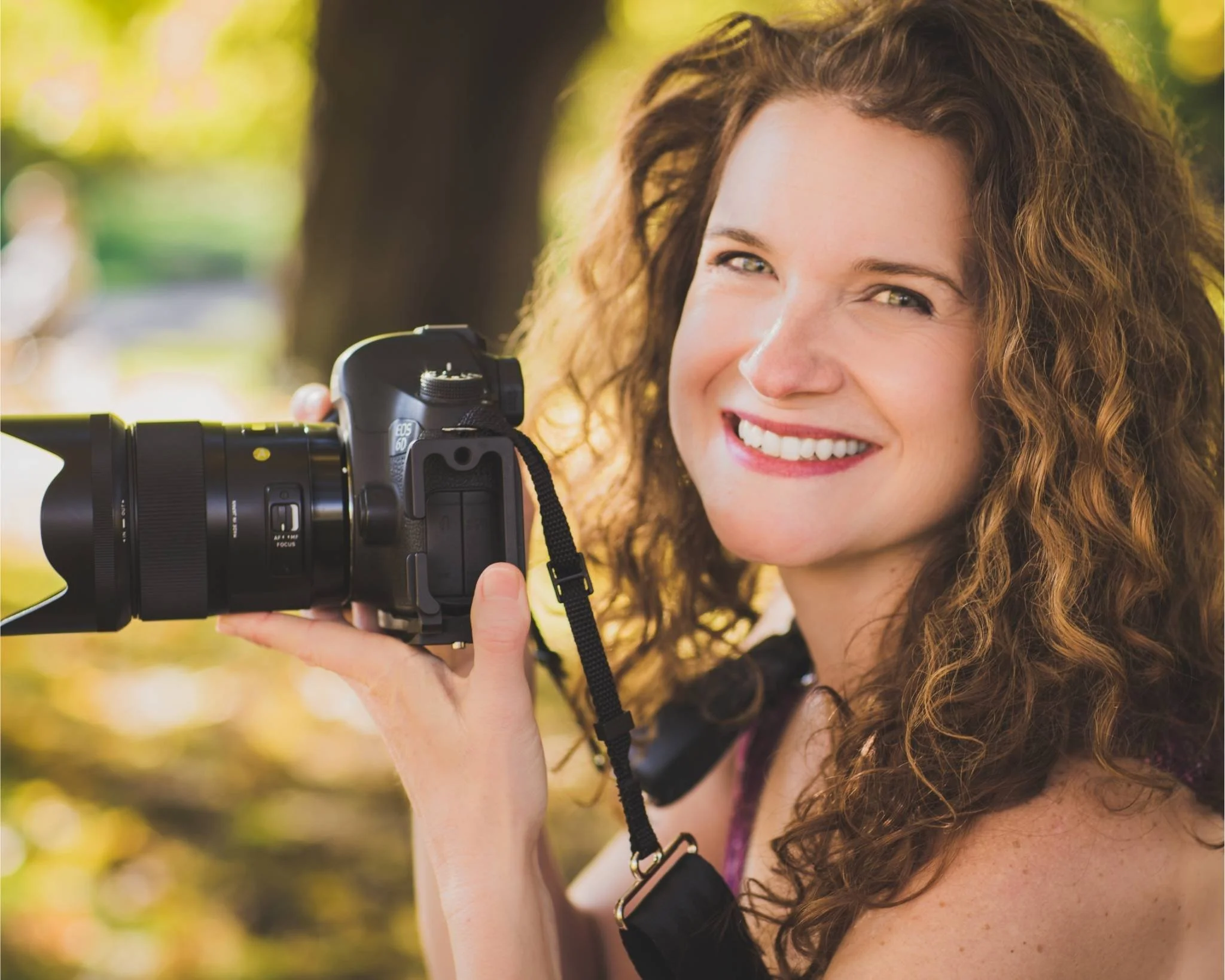
Stock Photo Queen is a single-artist stock photography marketplace created by photographer Katie Dobies.
Every image in the collection is:
• a real photograph
• created by a human
• ethically sourced
• licensed directly from the creator
• free from AI-generated or synthetic content
There are no ambiguous sources.
No mixed libraries.
No synthetic images.
No hidden licensing terms.
Stock Photo Queen was created to give designers, editors, businesses, and nonprofits a trustworthy source of ethical stock photography.
How to Evaluate Any Stock Photo Platform
Before using any stock photo platform, ask these questions:
Who created this image?
Is the creator named and verifiable?
Was this image captured or generated?
Where did this image come from?
Who owns the rights?
What are the licensing terms?
Are AI-generated images mixed into the library?
Can I truthfully label this as photography?
If you cannot answer these questions clearly, the source does not meet the Ethical Imagery Standard™.
Why Ethical Sourcing Matters
Ethical stock photography is not just about aesthetics.
It is about truth, trust, transparency, authorship, editorial integrity, and buyer confidence.
When buyers use images with unknown origin or synthetic content labeled as photography, trust erodes, legal risk increases, and editorial credibility declines.
Creators are displaced, and the meaning of photography itself becomes diluted.
Ethical sourcing protects both creators and buyers by preserving human authorship, ensuring traceable origin, and maintaining clear, truthful licensing in an AI-generated world.
The Future of Ethical Stock Photography
AI-generated imagery will continue to evolve.
So will detection tools.
But detection is not a standard.
Traceable origin is.
The future of stock photography depends on:
• human authorship
• traceable origin
• clear licensing
• truthful context
• ethical sourcing
The Ethical Imagery Standard™ exists to preserve those principles.
The Bottom Line
If you want a photograph, use a photograph.
If you want an image that represents something that never happened, that is where AI comes in.
But they are not the same thing.
They are not interchangeable.
And they should not be licensed or labeled the same way.
Ethical stock photos come from known human creators, with traceable origin and clear licensing.
Anything else is not photography.