Why Nature Photography Has a Healing Effect
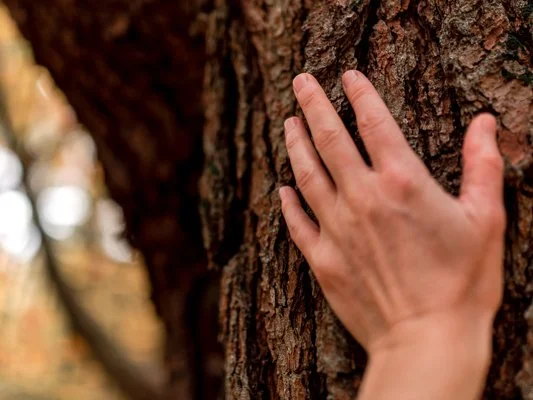
Nature photography carries the emotional imprint of real moments into interior spaces, supporting calm, grounding, and human well-being.
Nature photography does more than decorate a space.
It changes how people feel.
Real photographs of natural environments have a measurable calming, grounding, and restorative effect on the human nervous system.
The Human Nervous System Responds to Nature
Human beings evolved in natural environments.
Our nervous systems are wired to respond to:
• natural light
• organic forms
• open horizons
• water
• trees
• sky
• earth tones
These elements signal safety, stability, and continuity.
When people view real photographs of nature, the brain processes them as extensions of real environments.
Real Light Creates Emotional Resonance
A photograph captures light as it actually existed in a real moment in time.
This gives real nature photography a depth and authenticity that cannot be fabricated.
AI imagery simulates light.
It does not witness it.
The nervous system responds differently to real light than to synthetic reconstruction.
Why Real Nature Photography Feels Grounding
Real photographs preserve:
• time
• place
• atmosphere
• relationship
• presence
They carry the emotional imprint of a moment that actually occurred.
This is why people describe real nature photography as:
• calming
• peaceful
• grounding
• spiritual
• healing
Healing Environments Use Real Photography
Hospitals, wellness centers, retreat spaces, and therapeutic environments consistently use real nature photography.
They do not use synthetic imagery.
They use photographs that:
• feel real
• feel grounded
• feel calm
• feel stable
Because the nervous system responds to authenticity.
Why Ethical Imagery Matters in Healing Spaces
Ethical Imagery ensures that healing environments are built on:
• real moments
• real light
• real places
• real human presence
• truthful context
Synthetic imagery cannot provide the same grounding effect.
Because it does not originate in reality.